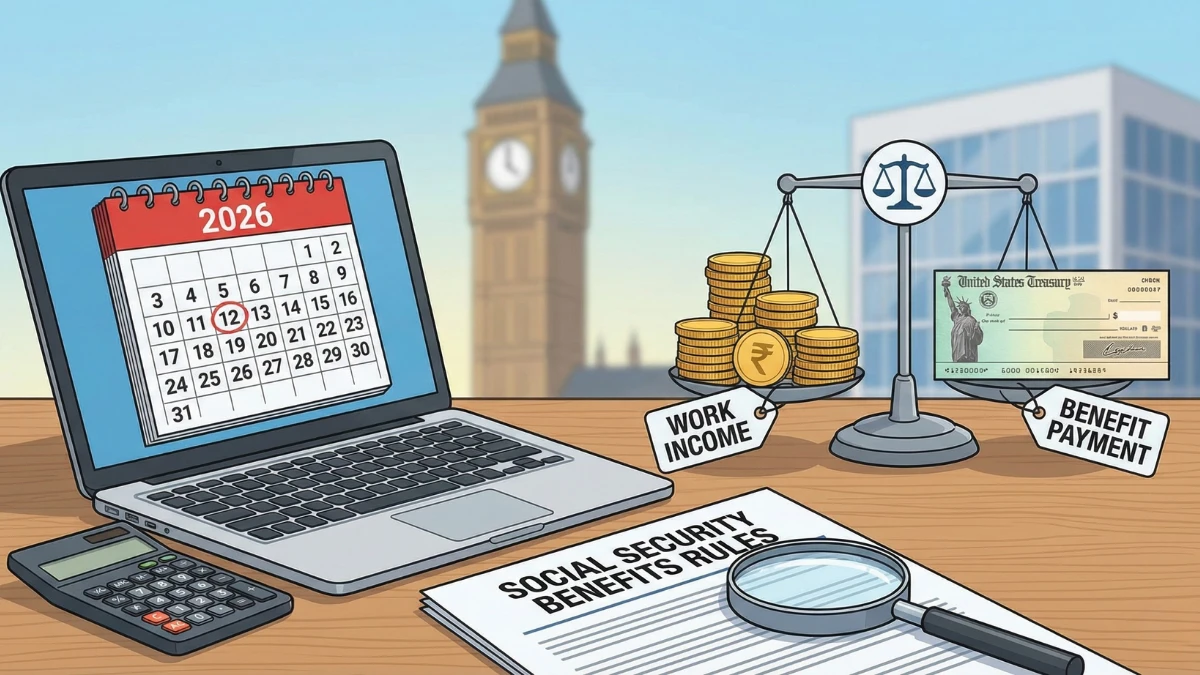
As more Americans choose to keep working longer, questions about working while collecting Social Security in 2026 are rising—especially around earnings limits, benefit reductions, and what really changes at full retirement age. This article breaks down the rules that apply in 2026, clears up common myths, and explains how the Social Security Administration calculates benefits when you continue working.
Are There New Social Security Work Rules in 2026?
There are no brand-new laws in 2026 that prohibit working while receiving Social Security. What changes each year are earnings limits and thresholds, while the core rules remain the same. You are allowed to work at any age—but how your earnings affect benefits depends on whether you’ve reached full retirement age (FRA).

| Rule Area | How It Works in 2026 |
|---|---|
| Working Allowed | Yes |
| Earnings Limits | Apply before FRA |
| After FRA | No income limit |
| Benefit Reductions | Temporary, not permanent |
| Automatic Recalculation | Yes, at FRA |
Working Before Full Retirement Age
If you collect benefits before full retirement age, Social Security temporarily withholds part of your benefits if your earnings exceed the annual limit. This is often misunderstood as a penalty, but it is not permanent—the SSA recalculates your benefit later to credit back withheld months.
What Changes Once You Reach Full Retirement Age
After you reach full retirement age, you can earn unlimited income without any reduction in your Social Security benefits. This rule remains unchanged in 2026 and is a key reason many people delay claiming or continue working until FRA.

How Benefit Reductions Are Calculated
When earnings exceed the limit before FRA, Social Security withholds a portion of benefits using a fixed formula. Importantly, this does not reduce your lifetime benefits—monthly payments increase later to make up for withheld amounts.
Why These Rules Matter More in 2026
Rising living costs and longer careers mean more retirees are combining work income and Social Security. Understanding earnings limits helps prevent surprise withholdings and allows smarter timing of when to claim benefits.

Common Myths About Working on Social Security
Many believe that working cancels benefits or permanently cuts payments. In reality, Social Security is designed to adjust over time, not punish people who keep working.
Key Facts to Remember
- You can work while collecting Social Security
- Earnings limits apply only before FRA
- Withheld benefits are credited back later
- Unlimited earnings are allowed after FRA
- 2026 brings adjustments, not new restrictions
Conclusion
Working while collecting Social Security in 2026 is allowed—and often financially smart—when you understand how the rules work. Earnings limits matter before full retirement age, but benefits are recalculated later, ensuring fairness over time. Knowing these rules helps Americans maximize income without unnecessary worry.

Disclaimer
This article is for informational purposes only and does not constitute financial or retirement advice. Social Security rules may change. Always verify details through official government sources or qualified professionals.
