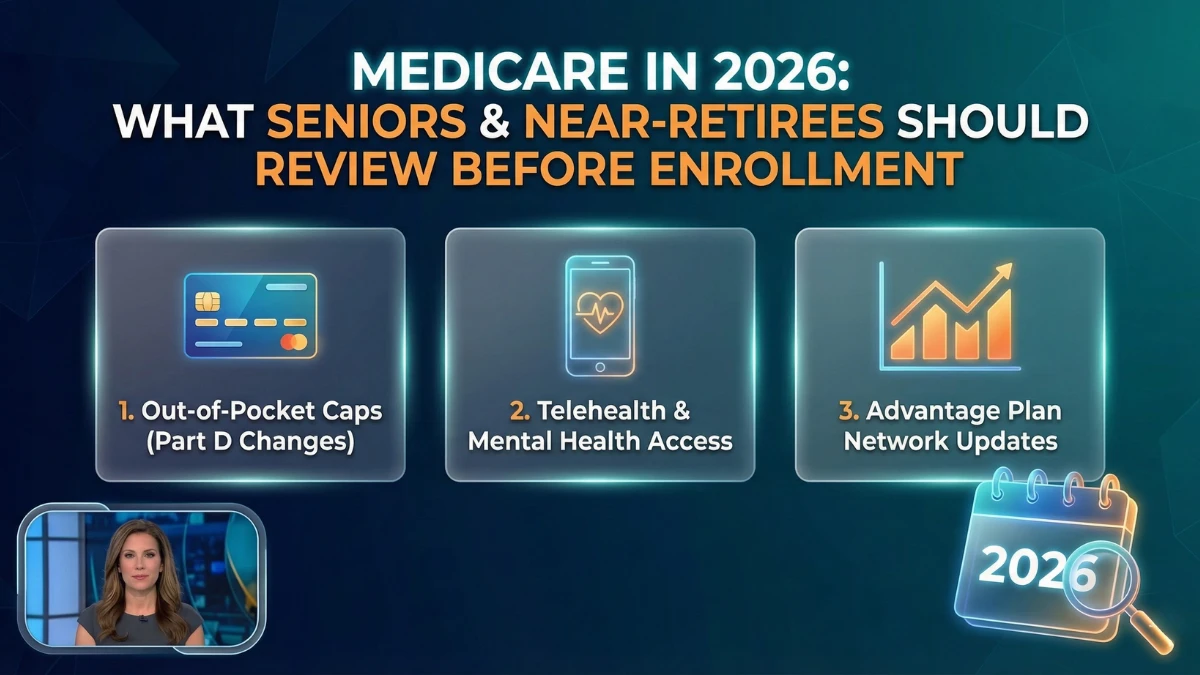
As healthcare costs remain a top concern in the United States, Medicare planning in 2026 is becoming a trending and highly relevant topic for seniors and those approaching retirement age, especially as enrollment rules, coverage choices, and out-of-pocket considerations continue to shape long-term healthcare decisions.
Which Agency Manages Medicare
Medicare is administered by the Centers for Medicare & Medicaid Services, working alongside the Social Security Administration to handle enrollment, premiums, and beneficiary records.

Medicare 2026 – Basic Overview
| Category | Details |
|---|---|
| Program | Medicare |
| Eligibility Age | 65 and older |
| Main Parts | A, B, C, D |
| Enrollment Period | Annual & special windows |
| Coverage Focus | Hospital, medical, drugs |
| Status | Ongoing program |
Why Medicare Planning Is Trending in 2026
Rising medical costs, longer life expectancy, and increased retirements are pushing more Americans to review Medicare options earlier, ensuring coverage fits both health needs and budgets.
Understanding the Different Medicare Parts
Medicare includes hospital insurance (Part A), medical insurance (Part B), Medicare Advantage plans (Part C), and prescription drug coverage (Part D), each serving a different role in healthcare coverage.

Enrollment Timing Matters
Missing enrollment windows can lead to late penalties or coverage gaps, making it important for eligible individuals to understand when and how to enroll.
Costs Seniors Should Plan For
While some Medicare coverage is premium-free, beneficiaries may still face monthly premiums, deductibles, copayments, and prescription costs, which vary by plan choice.

How Medicare Works With Retirement Benefits
Medicare enrollment is separate from Social Security payments, but many retirees coordinate both to ensure healthcare coverage begins on time when employment ends.
How to Prepare Before Enrolling
Reviewing healthcare needs, comparing plans, and confirming eligibility details ahead of time helps avoid last-minute decisions and unexpected expenses.

Key Points to Remember
- Medicare eligibility usually begins at age 65
- Enrollment windows are time-sensitive
- Coverage options vary by plan and location
- Costs differ based on choices made
- Early planning prevents penalties and gaps
Conclusion
With healthcare remaining a priority nationwide, Medicare planning in 2026 is a safe, practical, and highly relevant topic for Americans preparing for retirement, offering long-term benefits through informed decision-making.
Disclaimer
This article is for informational purposes only. Medicare rules, costs, and enrollment periods may change. Always consult official Medicare or SSA resources for personalized guidance.
