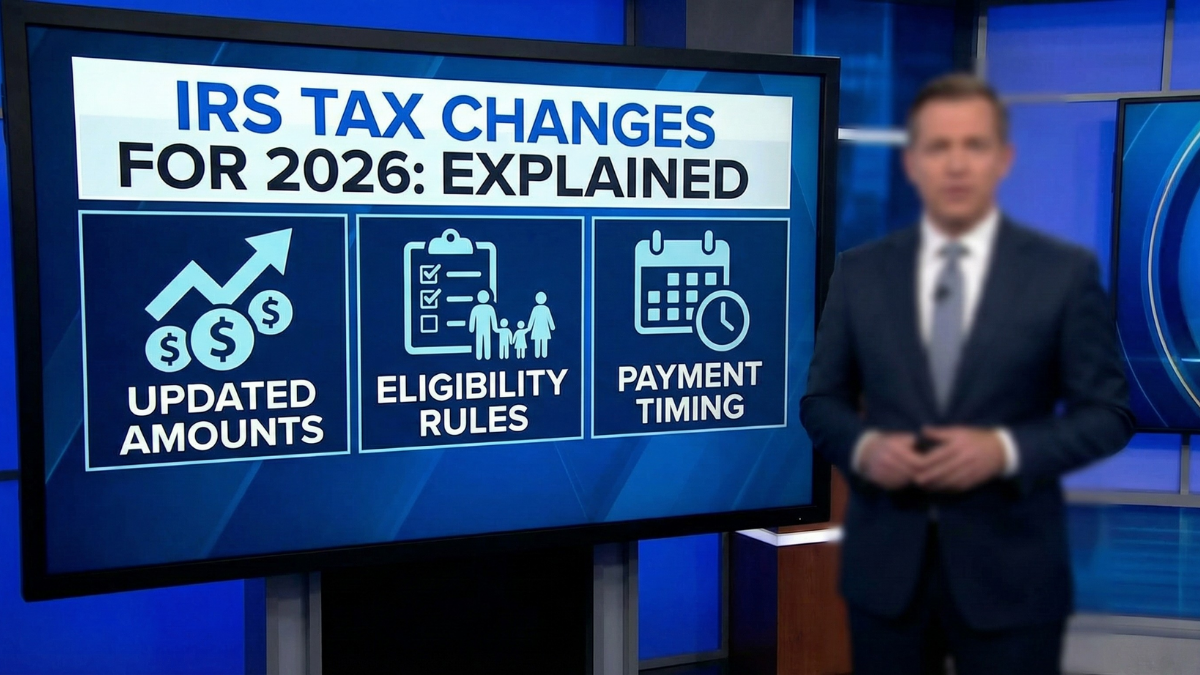
As the 2026 tax year approaches, many Americans are searching for clarity on IRS tax changes, including updated dollar amounts, who qualifies under the new thresholds, and how payment schedules work. Rather than sweeping reforms, most 2026 updates reflect routine adjustments tied to inflation and existing law. This article breaks down what’s changing, what’s staying the same, and what the Internal Revenue Service has officially put in place for 2026.
What’s Driving IRS Tax Changes in 2026
Most IRS changes for 2026 stem from inflation indexing, which adjusts tax brackets, standard deductions, and credit thresholds to prevent “bracket creep.” These updates happen automatically each year and do not require new legislation.

| Tax Area | What Changes in 2026 |
|---|---|
| Tax Brackets | Income thresholds adjust |
| Standard Deduction | Inflation-based increase |
| Credits & Phaseouts | Eligibility ranges shift |
| Withholding Tables | Updated for new brackets |
| Payment Processing | Standard timelines apply |
Updated Amounts: What Taxpayers Will Notice
For 2026, taxpayers will see higher income thresholds before moving into higher tax brackets, along with an increased standard deduction. These changes may reduce taxable income for some filers, even if wages rise modestly.
Eligibility Rules: Who Is Affected
Eligibility for tax credits and deductions in 2026 depends on income, filing status, and household size. Because thresholds shift upward, some taxpayers may newly qualify for credits, while others may phase out more slowly than in prior years.

Refunds, Credits, and Payment Schedule
IRS payment timing in 2026 follows the standard tax-season schedule. Refunds are issued after returns are processed, with direct deposit generally faster than mailed checks. Claiming certain refundable credits may trigger additional review, which can delay payments.
Withholding and Estimated Payments
Employees may notice changes in paycheck withholding as employers apply updated IRS tables. Self-employed individuals should review estimated tax payments to ensure they align with new brackets and avoid underpayment penalties.

What Has NOT Changed for 2026
There are no new universal payments, stimulus checks, or special IRS deposits tied to the 2026 tax changes. Core filing deadlines, enforcement rules, and audit procedures remain consistent with prior years.
Do Taxpayers Need to Take Action Now?
Most changes apply automatically, but reviewing withholding elections and understanding updated thresholds can help taxpayers avoid surprises. Filing accurately and electronically remains the best way to ensure timely processing.

Key Facts to Remember
- 2026 IRS changes are inflation-based
- Tax brackets and deductions adjust upward
- Eligibility thresholds shift, not overhaul
- Refund timelines follow normal schedules
- No new stimulus or special payments
Conclusion
The IRS tax changes for 2026 focus on routine adjustments rather than major reforms. Understanding updated amounts, eligibility rules, and payment timing helps taxpayers plan ahead and file with confidence when the season begins.
Disclaimer
This article is for informational purposes only and does not constitute tax, legal, or financial advice. Tax rules may change. Always verify details through official IRS guidance or qualified professionals.
