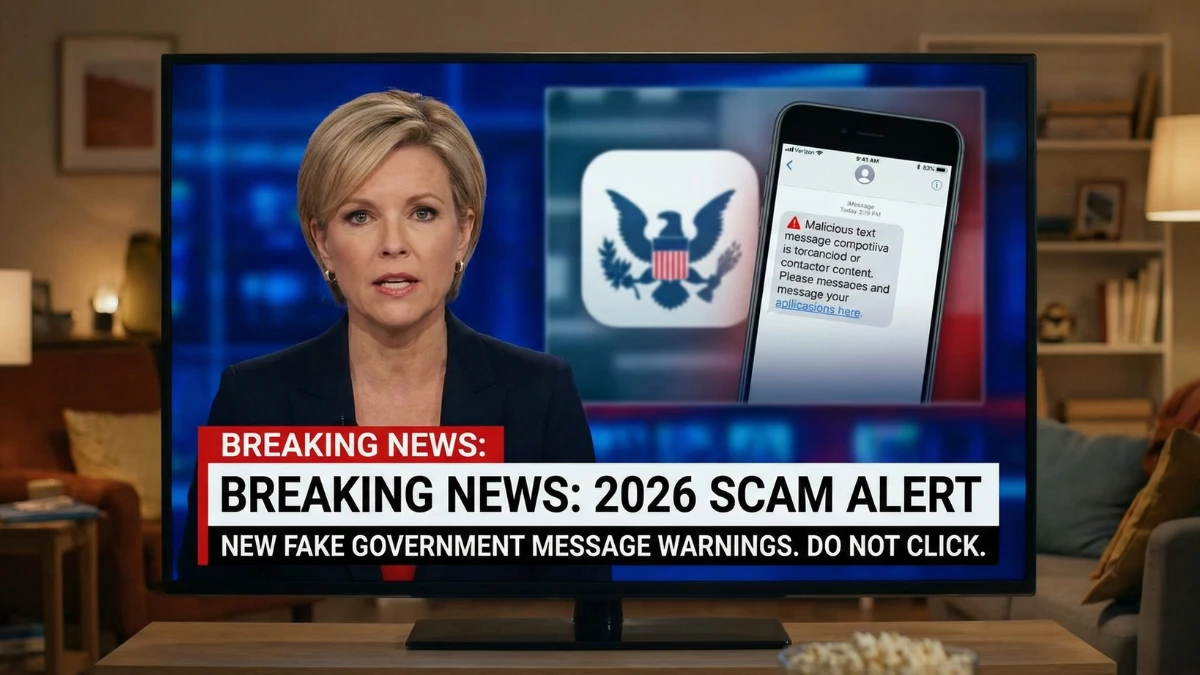
In 2026, U.S. authorities are again warning Americans about a rise in fake government messages, including emails, texts, and phone calls that pretend to come from official agencies, making scam awareness a highly relevant and safe trending topic for households, seniors, and working families.
Which Agencies Are Warning the Public
Fraud alerts and consumer warnings are regularly issued by the Social Security Administration, the Internal Revenue Service, and other federal consumer protection offices to help Americans avoid financial loss and identity theft.

Government Scam Alerts 2026 – Overview
| Category | Details |
|---|---|
| Scam Type | Fake calls, texts, emails |
| Common Targets | Seniors, taxpayers, benefit users |
| Impersonated Agencies | SSA, IRS, Medicare |
| Risk Level | High |
| Payment Requests | ❌ Never legitimate |
| Trend | Increasing |
How These Scams Usually Work
Scammers often claim there is a problem with benefits, a missed payment, or an urgent verification issue, pressuring victims to act quickly by sharing personal details or sending money.
What Official Government Agencies Never Do
Real government agencies do not threaten arrest, do not demand gift cards or crypto, and do not ask for sensitive information through unsolicited calls or messages.

Why Scam Activity Is Rising in 2026
Greater use of online services, public concern about payments and benefits, and recycled misinformation about stimulus or refunds have made many Americans more vulnerable to convincing scam tactics.
How to Protect Yourself and Your Family
Staying safe means verifying messages independently, using only official government websites, and ignoring any communication that creates panic or demands immediate action.

What To Do If You Receive a Suspicious Message
Do not respond. Save the message, report it through official channels, and warn family members—especially seniors—who are often targeted.
Key Safety Tips to Remember
- Government agencies never demand payment by phone or text
- Urgent threats are a major red flag
- Do not click links in unsolicited messages
- Use only official government websites
- Report suspected scams immediately
Conclusion
Scam awareness remains one of the most important consumer topics in 2026, and staying informed helps protect not only individuals but entire households from financial and identity-related harm.

Disclaimer
This article is for informational purposes only. Scam tactics change frequently. Always rely on official government resources and consumer protection agencies for the latest fraud warnings and reporting tools.
