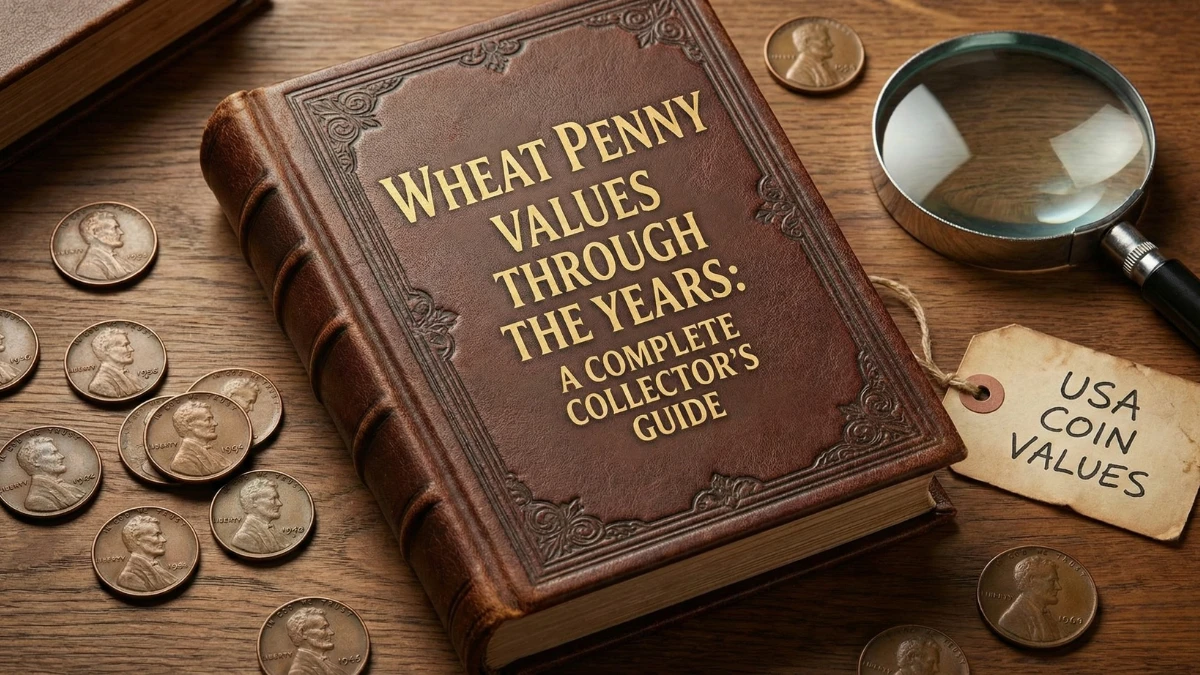
The Wheat Penny values through the years continue to attract collectors because these historic U.S. coins combine everyday circulation history with the potential for significant value depending on year, mint mark, and condition, making them one of the most widely collected and studied coins in American numismatics.
What Is a Wheat Penny and Why It Matters
The Wheat Penny, officially known as the Lincoln Wheat Cent, was minted from 1909 to 1958 and features President Abraham Lincoln on the obverse with two wheat stalks on the reverse, symbolizing prosperity and making the coin historically important as the first U.S. cent to feature a real person.
Wheat Penny Value Overview by Era
| Era | Years | Typical Value Range |
|---|---|---|
| Early Issues | 1909–1919 | $1 to $1,500+ |
| Mid-Series | 1920–1939 | $0.10 to $50 |
| Wartime Issues | 1940–1945 | $0.05 to $2,000+ |
| Late Issues | 1946–1958 | $0.05 to $20 |
| Key Dates | Select years | $500 to $100,000+ |
Early Wheat Pennies and Key Dates
The early Wheat Penny years include some of the most valuable coins, especially low-mintage issues and famous varieties like the 1909-S VDB, which can command thousands of dollars depending on condition and authenticity.
Wartime Wheat Pennies and Metal Variations
During World War II, copper shortages led to unusual compositions, including the 1943 steel Wheat Penny, which is common, and the extremely rare 1943 copper Wheat Penny, one of the most valuable U.S. coins ever discovered.
Condition, Grading, and Value Differences
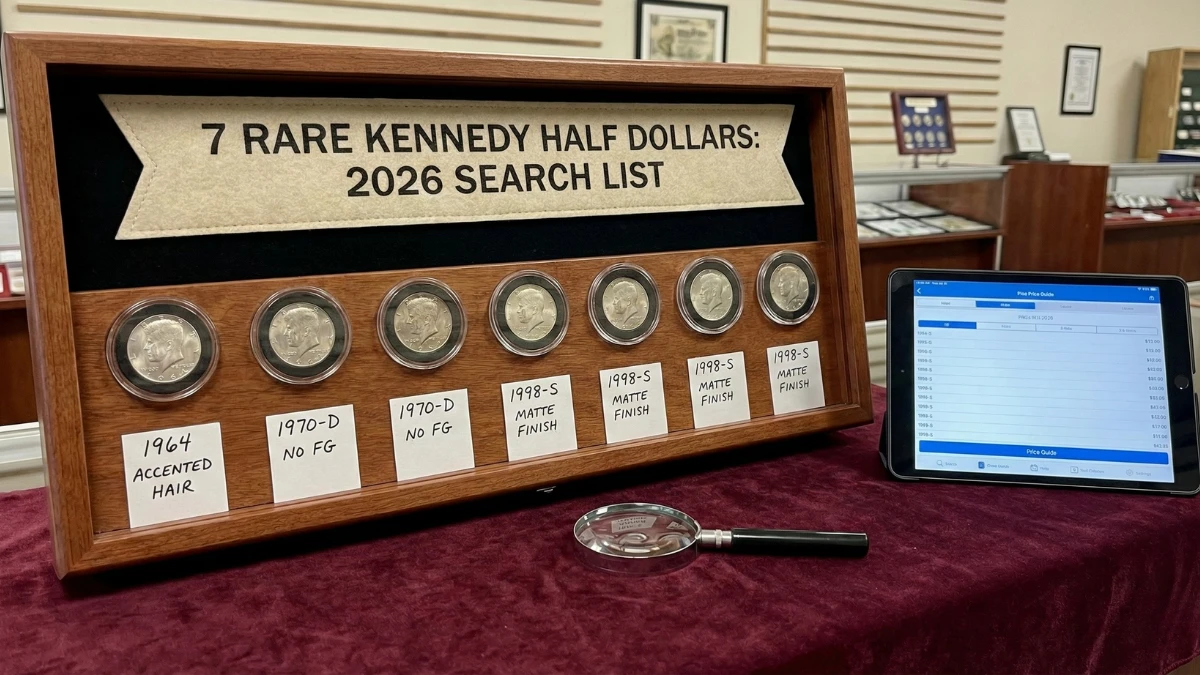
The value of Wheat Pennies increases dramatically with better condition, as coins graded in uncirculated or mint state condition are worth many times more than heavily worn examples, making professional grading an important step for serious collectors.
Mint Marks and Their Impact on Value
Mint marks such as D (Denver) and S (San Francisco) play a major role in determining rarity, as some mint locations produced far fewer coins in certain years, driving higher demand among collectors.
ONE Bullet-Point Section Only
Key Points Collectors Should Know
- Wheat Pennies were minted from 1909 to 1958
- Key dates and rare errors can be worth thousands
- Condition and grading greatly affect value
- Mint marks change rarity and demand
- Most circulated Wheat Pennies are still affordable
Conclusion
The Wheat Penny collector market remains strong because these coins offer both historical value and the possibility of financial gain, and understanding years, mint marks, and condition helps collectors identify which pennies are common and which are truly valuable.
Disclaimer
Coin values fluctuate based on market demand, metal prices, and condition, and this article is for informational purposes only; collectors should consult professional numismatists or grading services before buying or selling valuable coins.